Bracelet vs Rubber Strap: Which Suits Your Dive Watch
Comfort, water use, lifespan and style compared for steel bracelets and rubber straps on a 20 mm dive watch, with a five-step swap guide.

In the watch bracelet vs rubber strap choice, pick steel if you want a dressier look and long life, and rubber if you want light weight, comfort in heat and an easy rinse after the pool or beach. Most dive watch owners end up keeping both and swapping by season or by plan for the day.
Want a soft, sporty option for your 20 mm dive watch? See our 20 mm rubber strap with steel buckle.
Which feels better on the wrist, bracelet or rubber?
Rubber feels lighter and warmer from the first minute; a steel bracelet feels heavier but more solid, and it drapes around the wrist once sized well.
A steel bracelet adds noticeable weight to a 40 mm dive watch. Some people love that, because the watch sits balanced and does not flop to one side. Others find it tiring by the end of the day, especially at a desk where the clasp presses on the wrist. Rubber weighs very little, flexes with every movement and does not pinch arm hair. On a hot day, steel gets warm and can feel sticky; rubber stays comfortable but can trap a little sweat underneath.
Fit matters more than material. A bracelet with one link too many slides around and feels heavy. A rubber strap a hole too tight leaves marks. If you go with steel, size it carefully; our guide to changing a watch strap covers swapping either one in minutes.

Which is better for swimming?
Rubber is the classic choice for water: it does not hold salt or sand between links and dries in seconds.
Steel is fine in water too, but salt and sand settle between links and in the clasp, so it needs a rinse and a soft brush afterward. Rubber just needs a rinse. Whatever band you choose, the watch head matters more. Our dive case is rated 300 m by its maker, but any home build should be pressure-tested by a watch shop before it goes in water, because the seal depends on how the case back and crown were closed.
Which lasts longer, steel or rubber?
A steel bracelet usually outlasts several rubber straps. Rubber is a wear part that you replace now and then.
Steel scratches, but the scratches are surface marks and the bracelet keeps working for years. The weak points are spring bars and the clasp, which can be replaced. Rubber can harden, crack near the lugs or lose color after a lot of sun and chlorine. That is not a flaw, just its nature, and replacing a strap is cheap and quick. Our 5-link bracelet in 904L steel is an option if you want a second bracelet with a different look.
Which looks better on a dive watch?
Steel reads dressier and suits an office or dinner; rubber reads sportier and lets a colored dial stand out.
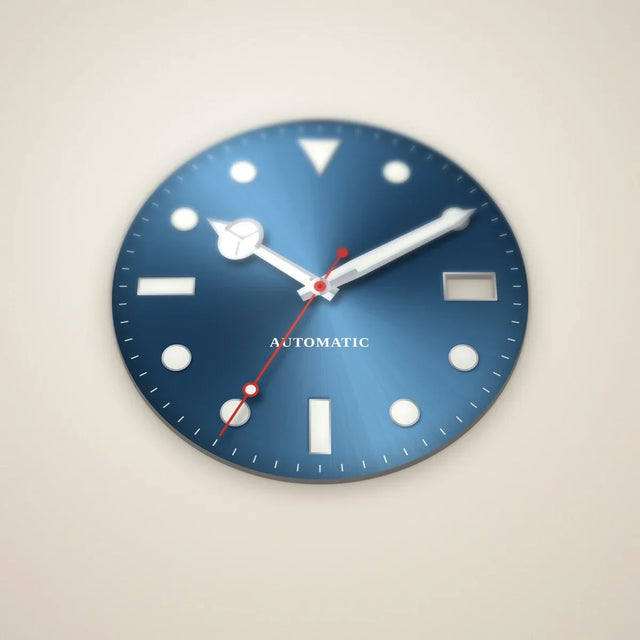
A bracelet makes the case and band look like one piece, which suits polished bezels and darker dials. Rubber breaks up the steel, so dial color does more of the talking. A green or blue dial on a matching rubber strap looks deliberate and casual. A black rubber strap is the most neutral choice and works with any of our seven kit colors.
How do the two compare side by side?
Use this watch bracelet vs rubber strap table to decide for your own week.
| Factor | Steel bracelet | Rubber strap |
|---|---|---|
| Weight | Heavier, balanced | Very light |
| Hot weather | Warms up | Stays comfortable |
| Pool and beach | Needs rinse and brush | Rinse and go |
| Lifespan | Many years | Replace when worn |
| Sizing | Remove links once | Pick a hole |
| Style | Dressier | Sporty, adds color |
Can you switch between bracelet and rubber?
Yes. Both use 20 mm spring bars, so a swap takes a few minutes with a spring bar tool.
- Lay the watch face down on a soft cloth.
- Slide the forked end of the spring bar tool between the lug and the band and press the spring bar in.
- Ease the band out, then repeat on the other side and the other lug.
- Fit the spring bar into the new band, seat one end in its lug hole, compress the other end and slide it in.
- Tug the band firmly to confirm both ends clicked in.
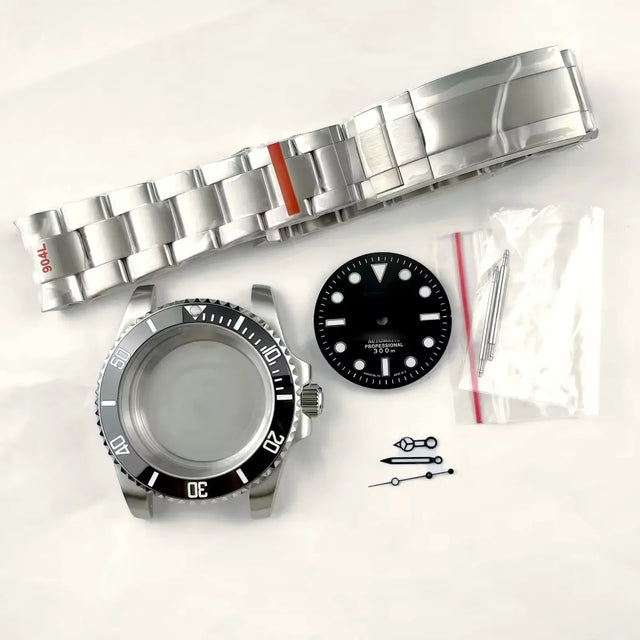
Our Prodi Dive Kit already includes a 20 mm steel bracelet and a 20 mm rubber strap, so you can try both before you decide which to wear more. A basic watch repair tool kit covers the spring bar tool. For more on the case itself, read about the NH35 dive watch case, and if you are new to the hobby, start with what an NH35 mod is.
The bottom line
There is no wrong answer to watch bracelet vs rubber strap: steel gives presence and long life, rubber gives comfort and easy care. Keep one of each and swap as your plans change. If your watch is on steel today, a 20 mm rubber strap is the quickest way to give it a second look.
Frequently asked questions
Is rubber or steel better for a dive watch?
Rubber is more practical in water and heat; steel is more versatile day to day. Both suit a dive watch.
Does a rubber strap smell or irritate skin?
A clean strap should not. Rinse it with mild soap and water now and then, and let it dry off the wrist.
Will a 20 mm strap fit my watch?
Only if your lug width is 20 mm. Measure between the lugs with a ruler or calipers before you buy.
Do I need new spring bars when switching?
You can reuse them if they are straight and spring back firmly. Replace any that feel weak.
Which is better for a first watch build?
Start on rubber while you are still taking the watch on and off a lot, then size the bracelet once you are happy.
Keep reading