NH35 Not Running? 6 Checks Before You Worry
A fast troubleshooting order for a stopped NH35: winding, crown position, hand clearance, dial seating, magnetism and when to send us a photo.

If your NH35 is not running, the cause is usually simple: an empty mainspring, a crown left in the time-setting position, or hands that touch each other or the crystal. Work through the six checks below in order and most watches are ticking again within a few minutes.
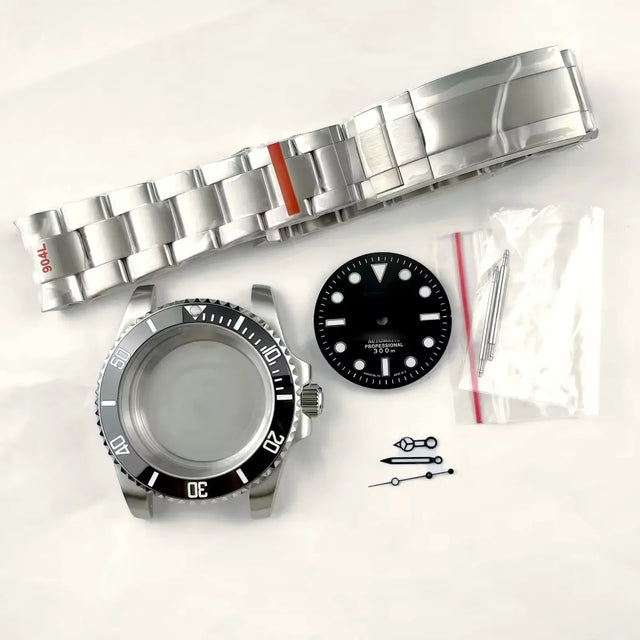
Building your first watch and want a movement and case that are made to fit together? See the Prodi Dive Kit, which comes with a step-by-step guide.
Is your NH35 not running because it is out of power?
Very often, yes. An NH35 that has sat in a box or on a shelf runs down after about 41 hours, and a fresh build has never been wound at all.
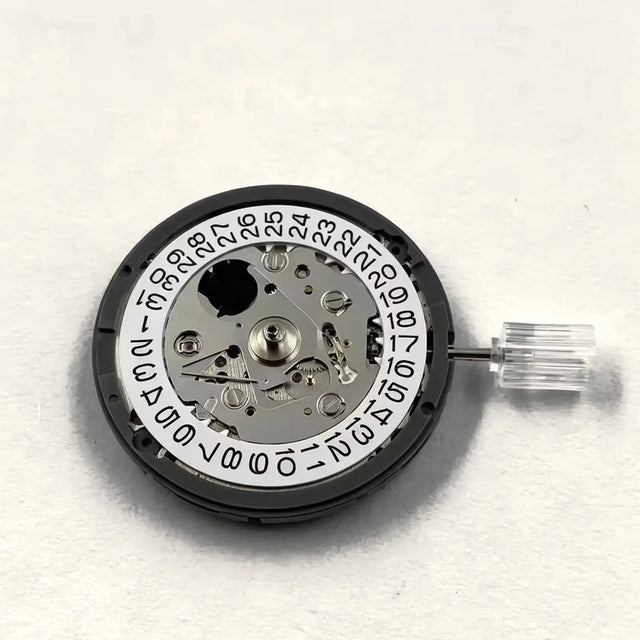
The NH35 is a self-winding movement, but the rotor only adds energy when the watch is moving on a wrist. A watch that left the bench and went straight into a drawer will stop. Before you suspect anything else, give it a proper hand wind. With the crown pushed all the way in, turn it clockwise. Counterclockwise does nothing in this position, which is normal. Around 30 to 40 full turns gets it running strongly; a completely empty mainspring takes about 55 turns for a full wind. Then watch the seconds hand for a full minute.
If you are not sure which way to turn or how far, our guide to the NH35A movement walks through the crown functions.

Build it right the first time
Prodi Dive Kit 40mm Automatic
$299 Standard automatic · $399 Japanese NH35A
40 mm 316L steel case · 145-piece tool kit · spare stem · seven colors
See the kitIs the crown pulled out to the time position?
Check this second. The NH35 hacks, so with the crown at the second click the seconds hand stops on purpose.
The crown has three positions. Pushed in, it winds. At the first click, it sets the date. At the second click, it sets the time and stops the seconds hand so you can sync to a reference clock. A first build with the NH35 not running is often just a crown left at the second click, or a stem cut slightly short so the crown cannot seat. Press the crown in firmly and look for the seconds hand to start within a second or two.
If the crown will not seat, or it pops out with little pressure, the stem may be cut too short or the stem may not be locked into the movement. Pull the crown out, and if the whole stem slides free, it was never clicked in.
Are the hands touching each other or the crystal?
This is the most common cause in a new build. If the seconds hand drags on the minute hand, or the minute hand rubs the crystal, the movement stalls at the same spot each time.
Watch where it stops. If it stops at the same minute position or every time the seconds hand passes the minute hand, the hand stack needs attention. Each hand should sit level and parallel to the dial, with a visible gap between hour, minute and seconds hand when viewed from the side. A hand pressed on at a slight angle can clear in one area and catch in another. Also confirm the hands clear the crystal once cased.
Our step list for installing watch hands covers the gaps you are aiming for, and the 28.5 mm dial guide explains why dial feet and dial thickness change hand height.
Could the dial or date wheel be catching?
Yes. A dial that is not seated flat, or a date window that does not line up with the 3 o'clock position, can rub on the date wheel or hands.
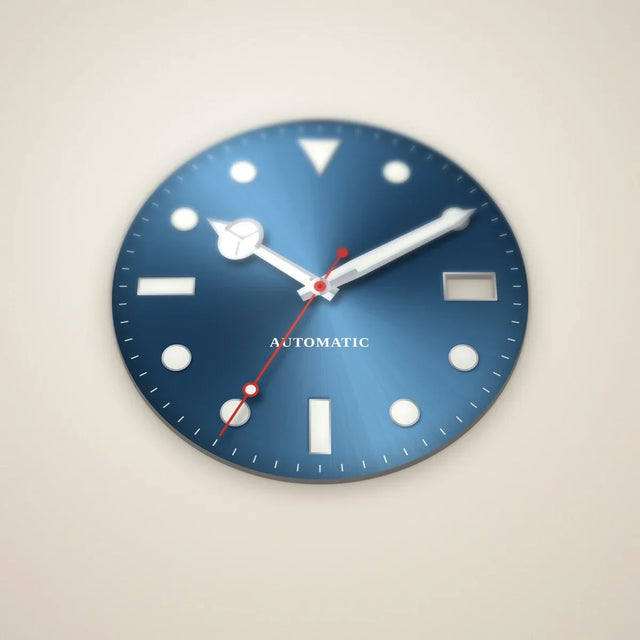
The dial sits on two feet that drop into the movement. If a foot is bent, the dial tilts and can touch the seconds hand. At eye level it should look flat, with the date centered in the window.
Is the watch magnetized?
A magnetized hairspring usually makes the watch run very fast or erratically rather than stop, but in strong cases it can stall it.
Phone speakers, laptop lids and magnetic clasps are common culprits. If your watch was running fine and suddenly gains minutes per day, magnetism is the first suspect. A watch shop can demagnetize a watch in seconds with a simple tool. Do this before you try any adjustment, because a magnetized movement gives false readings.
Is it the movement itself?
Rarely, but it happens. A movement that will not run even out of the case, fully wound, with no dial or hands fitted, needs a closer look.
A loose rotor screw or debris in the train can cause it. If you have ruled out everything above, take the movement out of the case and test it on its own in a movement holder. Learn more about the differences between versions in NH35 vs NH35A.
What is the quickest way to find the cause?
Use the table to match what you see to the likely fix, then run the six checks in order.
| What you see | Likely cause | First fix |
|---|---|---|
| Seconds hand never moves | Not wound, or crown at second click | Push crown in, wind 30 to 40 turns |
| Stops at the same spot each time | Hands touching each other or the crystal | Reset hand height and spacing |
| Runs, then stops after a day | Low power reserve, little wrist time | Hand wind daily or use a winder |
| Gains minutes per day | Magnetism | Demagnetize at a watch shop |
| Crown pops out or spins loose | Stem too short or not locked in | Refit or replace the stem |
| Will not run outside the case | Movement issue | Contact us or a watchmaker |
- Push the crown fully in and wind it 30 to 40 turns clockwise.
- Watch the seconds hand for one full minute.
- If it stops at the same spot, check hand spacing from the side.
- Check that the dial is flat and the date sits centered in the window.
- Keep the watch away from magnets and note whether the rate changes.
- Test the movement on its own, out of the case, in a movement holder.
When should you ask for help?
Ask as soon as the movement will not run on its own after a full wind, or when you have checked hands and stem and it still stalls.
Avoid opening the case again and again, which invites dust and pinched gaskets. Take a clear photo of the dial and the side of the hand stack and send it to us. If you built with a different movement, the NH35 vs NH36 guide explains what changes between them.
The bottom line
An NH35 not running is almost always a winding, crown or hand-clearance problem, and you can fix all three at home with the tools that came with your kit. If the movement will not run on its own, stop and ask. Starting a new build? The Prodi Dive Kit includes a spare stem and a guide written for first-timers.
Frequently asked questions
Why did my automatic watch stop overnight?
It likely ran out of power. The NH35 holds about 41 hours when fully wound, but a watch worn only a few hours may store much less. Give it a full hand wind in the morning.
How many turns does an NH35 need to start?
A few turns usually starts it. For a strong reserve, wind 30 to 40 full turns with the crown pushed in.
Can I overwind an NH35?
No. The mainspring has a slipping clutch, so once it is full the crown keeps turning without adding tension.
Why does my seconds hand not move when I set the time?
That is hacking, and it is intended. At the second crown click the seconds hand stops so you can set the time to the second.
Is a new NH35 not running a sign of a bad movement?
Rarely. It usually needs a wind, a pushed-in crown or more hand clearance.
Sources
- Caliber Corner, NH35A specifications: calibercorner.com/seiko-caliber-nh35a
Keep reading