How to Open a Screw-Down Case Back Safely
We show how to identify your case back type, choose the right opener, unscrew it without slipping and seal it again so the gasket does its job.

Here is how to open a screw down case back safely: hold the case firmly in a case holder, set an adjustable case opener into the notches on the back and turn counterclockwise with steady, even pressure. The real skill is keeping the tool from slipping, which is what scratches a case back.
A good case opener does most of the work, and our Bench Tool Kit includes one alongside tweezers, screwdrivers and a spring bar tool.
What type of case back does your watch have?
Look at the edge of the back. Notches around the rim mean a screw-down back, a small lip or pry slot means a snap-on back, and tiny screws mean a screwed back.
Each type opens differently, and using the wrong method is the fastest way to damage a case. Check before you reach for a tool.
| Type | How to spot it | How it opens | Tool |
|---|---|---|---|
| Screw-down | Evenly spaced notches or flats around the rim | Turn counterclockwise | Adjustable case opener or rubber ball |
| Snap-on | Smooth back with a small lip or slot | Pry at the slot | Case knife |
| Screwed | Several small screws on the back | Remove the screws | Small screwdriver |
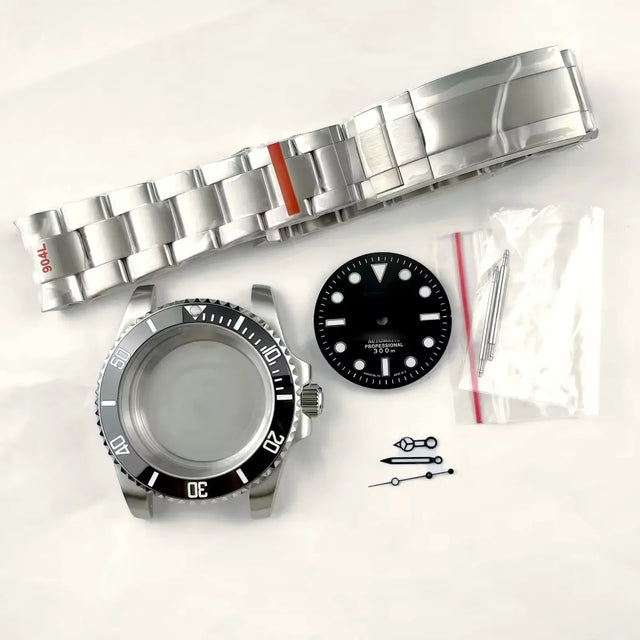
Dive cases, including the case in our kit, normally use a screw-down back because it seals best. The rest of this guide focuses on that type.

Includes a case opener
Bench Tool Kit, 145 Pieces
$69
Case opener · tweezers · screwdrivers · spring bar tool · link remover · zip case
See the tool kitWhich tools do you need to open a screw-down back?
An adjustable case opener with pins that fit the notches, a case holder or soft grip to stop the case turning, and optionally a rubber ball opener for backs that are only lightly tightened.
The adjustable opener, sometimes called a case wrench, has two or three pins you set to the width of the back so they sit in opposite notches. A case holder clamps the watch so you can turn the opener with both hands steady. A rubber ball opener grips by friction and is useful for snug but not tight backs, with no risk of the pins slipping. Our article on the watch repair tool kit covers each tool in more detail.
What are the steps to open it?
Secure the case, fit the opener pins snugly into opposite notches, press down and turn counterclockwise until the back breaks free, then finish by hand.
This is how to open a screw down case back without marking it:
- Remove the strap or bracelet if it gets in the way of the case holder.
- Put a strip of low-tack tape around the edge of the back as a guard against slips.
- Set the watch in a case holder, dial down, on a soft cloth.
- Adjust the opener so its pins sit fully in two opposite notches, with no play.
- Press the opener down firmly while you turn. Downward pressure is what keeps the pins seated.
- Turn counterclockwise with a short, steady motion until the back breaks free.
- Remove the opener and unscrew the rest of the way by hand.
- Lift the back off and set it face down on a clean cloth, with the gasket still in place.
If the back will not move, do not add force in jerks. Reset the pins, check they are deep in the notches and try again with steadier pressure. A back that still refuses is a job for a watch shop.
How do you avoid scratching the case back?
Most scratches happen when the pins jump out of the notches. Firm downward pressure, a tight pin fit and tape around the rim prevent almost all of them.
Keep the opener square to the back, not tilted. Check the pin width before each attempt, because a pin sitting halfway in a notch will slip. Turn the opener in short movements rather than one long sweep. And work at a table, not on your lap, so you can lean your weight down onto the tool. Our list of common watch building mistakes includes more ways to protect the case during a build.
How do you close and seal it properly?
Check the gasket is clean and seated flat, start the back by hand so it does not cross-thread, then snug it with the opener. Do not overtighten.
Wipe the threads and gasket with a clean, lint-free cloth. If the gasket is twisted, cracked or flattened, replace it, since it does the sealing. Turn the back clockwise by hand; it should start smoothly. If it resists in the first turn, back it off and line it up again. Finish with the opener until snug.
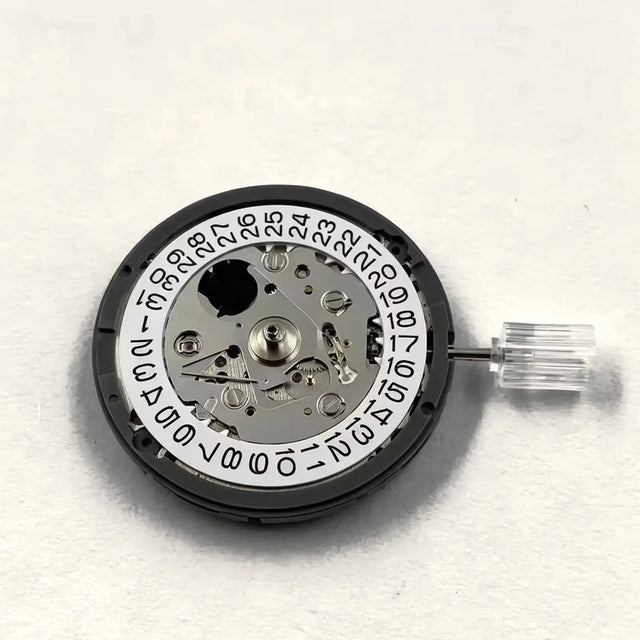
Our case is rated 300 m by its maker, but any home build or any watch you have opened should be pressure-tested by a watch shop before it goes in water. For what happens inside once the back is off, see our guides on how to install a movement in a case and how to build a watch.
The bottom line
Once you know how to open a screw down case back, it is a calm, controlled job: secure the case, seat the pins, press down and turn. Close it by hand first and have it pressure-tested before swimming. Start with the case opener in our Bench Tool Kit.
Frequently asked questions
Which way do you turn to open a case back?
Counterclockwise to open, clockwise to close, as with most screw threads.
Can I open a case back without a tool?
A rubber ball opener can work on a lightly tightened back. Avoid knives or pliers, which slip and scratch.
Why will my case back not unscrew?
It may be very tight or the pins are not seated. Reset the opener, press down harder and turn steadily, or take it to a shop.
Do I need a new gasket every time?
No. Reuse it if it is clean, flat and not cracked. Replace it if it looks damaged.
Is my watch still water resistant after opening?
Not until it is checked. Have a watch shop pressure-test it before it goes in water.
Keep reading