Mechanical vs Automatic vs Quartz: The Real Differences
How manual, automatic and quartz watches differ in power source, accuracy, upkeep and cost, with a side-by-side table and a simple way to choose.

Mechanical vs automatic vs quartz comes down to the power source: a manual mechanical watch is wound by hand, an automatic is a mechanical watch that winds itself as you move, and a quartz watch runs on a battery and a vibrating crystal. Quartz wins on accuracy and convenience; mechanical and automatic win on craft and character.
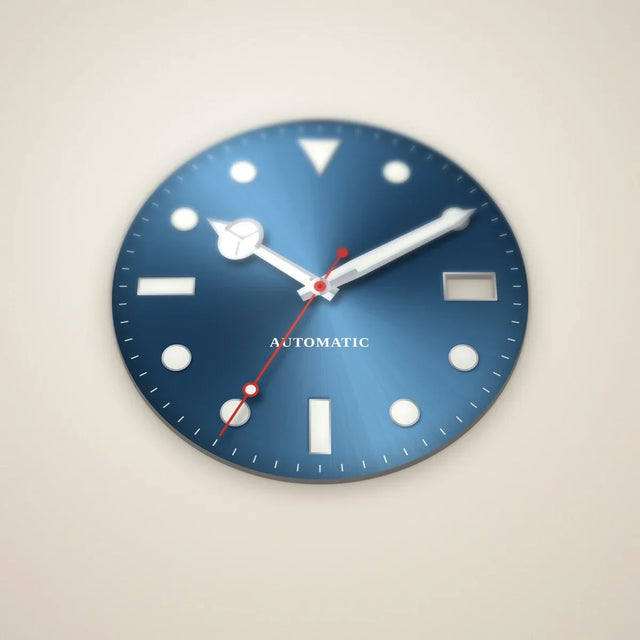
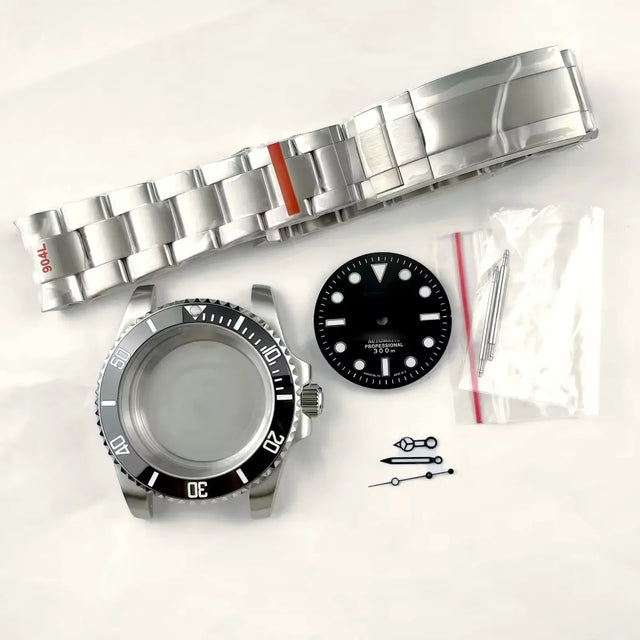
Curious what is inside an automatic? You can build one yourself with the Prodi Dive Kit.
What is the difference between mechanical, automatic and quartz?
Mechanical and automatic watches store energy in a spring and keep time with a swinging balance wheel. Quartz watches use a battery and a crystal that vibrates at a fixed rate.
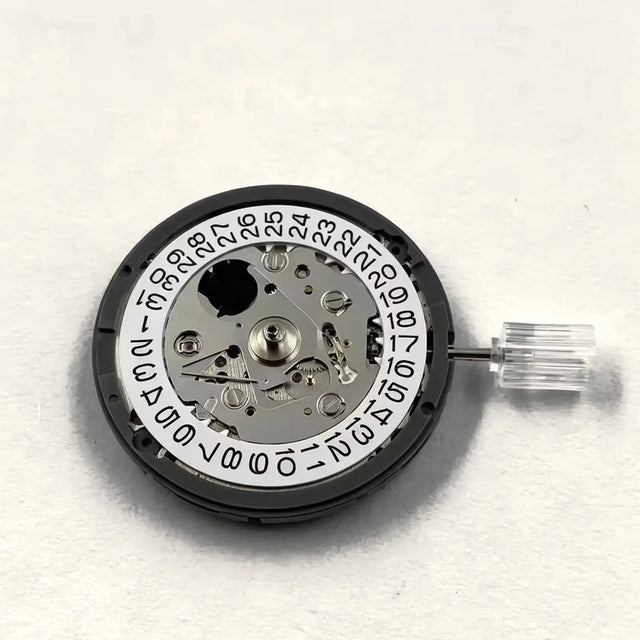
A manual mechanical watch has a mainspring you wind with the crown, usually daily. A balance wheel on a hairspring swings back and forth, and the escapement lets the gears advance one step per swing. An automatic is the same mechanism plus a rotor, a weight that pivots as your wrist moves and winds the mainspring for you. A quartz watch has no mainspring. A battery powers a circuit that counts the vibrations of a tiny quartz crystal, 32,768 per second, and sends a pulse to a small motor once a second. That is why most quartz seconds hands tick once per second, while mechanical hands sweep in small steps.

Build an automatic
Prodi Dive Kit 40mm Automatic
$299 Standard automatic · $399 Japanese NH35A
Automatic movement · 40 mm 316L steel case · tools and guide · seven colors
See the kitWhich is most accurate?
Quartz, by a wide margin. A typical quartz watch drifts about half a second a day or less on the wrist; an everyday automatic like the NH35A is rated -20 to +40 seconds per day.
A quartz crystal is barely affected by position or how much power is left, so it drifts very little. Temperature is its main source of error. A mechanical balance reacts to position, temperature, power level and magnetism, so it drifts more. Manual and automatic watches with the same movement are equally accurate; the rotor only changes how the spring gets wound. For what the mechanical numbers mean in daily life, see our NH35 accuracy guide.
How do they compare side by side?
This table sums up the mechanical vs automatic vs quartz trade-offs at a glance.
| Feature | Manual mechanical | Automatic | Quartz |
|---|---|---|---|
| Power source | Hand-wound spring | Spring wound by wrist motion | Battery |
| Accuracy | Seconds per day | Seconds per day | Seconds per month |
| Daily effort | Wind most days | Wear it; wind if stopped | None |
| Upkeep | Periodic service | Periodic service | Battery changes |
| Seconds hand | Sweeps | Sweeps | Usually ticks |
| Build it yourself | Yes | Yes | Yes, less to see |
What maintenance does each need?
Quartz needs a battery now and then. Mechanical and automatic watches need occasional cleaning and oiling by a watchmaker.
A mechanical movement has dozens of moving parts running on tiny amounts of oil. Over years the oil ages, so a watchmaker takes it apart, cleans it and oils it again. Between services, keep it away from magnets and give it a wind when it stops. Our guide on how to wind and set an automatic watch covers the daily side. A quartz watch mostly needs a battery change and, if you swim with it, a seal check at the same time.
Which costs more?
At the same quality level, mechanical and automatic watches usually cost more, because their movements have more parts and take more work to make and service.
Quartz movements are cheap to produce in large numbers, which is why accurate quartz watches can be very affordable. Mechanical movements need more parts and assembly. Building your own is one way to own an automatic for less: our Dive Kit is $299 with a Standard automatic or $399 with the Japanese NH35A, tools included.
Which one should you choose?
Choose quartz for grab-and-go accuracy, automatic for a mechanical watch you can wear daily without winding, and manual if you enjoy the ritual.
- If exact time matters most and you want no upkeep, choose quartz.
- If you want to see a watch work and enjoy the craft, choose mechanical.
- If you will wear it most days, choose automatic so wrist motion winds it.
- If you like a morning ritual and a thinner watch, consider manual winding.
- If you want to understand it fully, build one yourself.
Our guide to building your own watch from a kit explains that last option, and gifts for men who build has ideas if you are buying for someone else.
The bottom line
In the mechanical vs automatic vs quartz question, there is no wrong answer: quartz is the practical tool, automatic is the everyday mechanical, and manual is the ritual. If the mechanical side appeals, the Prodi Dive Kit lets you build an automatic and see how every part fits.
Frequently asked questions
Is an automatic watch better than quartz?
Not more accurate, but many people prefer its craft and the fact that it needs no battery.
Can an automatic watch be wound by hand?
Most can, including the NH35 family. Turn the crown clockwise with it pushed in.
Why do quartz watches tick and automatics sweep?
A quartz motor steps once per second. A mechanical balance beats several times per second, so the hand moves in small steps.
Do automatic watches stop if not worn?
Yes, once the mainspring runs down. The NH35A runs about 41 hours from a full wind.
Which lasts longer?
Both can last decades with care. Mechanical watches are serviced; quartz watches depend on their circuit and battery changes.
Sources
- Wikipedia, Quartz clock: en.wikipedia.org/wiki/Quartz_clock
- Wikipedia, Mechanical watch: en.wikipedia.org/wiki/Mechanical_watch
- Wikipedia, Automatic watch: en.wikipedia.org/wiki/Automatic_watch
Keep reading